The Ministry of Education announced that the details of the reform of the senior high school entrance examination will be implemented from the beginning of 2017.

Conference site

CCTV News:The Ministry of Education held a press conference today (20th) to disclose the details of the reform of the enrollment system for the senior high school entrance examination. According to the "Guiding Opinions on Further Promoting the Reform of the Examination Enrollment System in Senior High Schools" issued by the Ministry of Education recently, it is necessary to further promote the reform of the examination enrollment system in senior high schools (referred to as the reform of the senior high school entrance examination).

What is the reform of the senior high school entrance examination?

The goal of this reform is to gradually establish a high school enrollment model of "junior high school academic level test scores+comprehensive quality evaluation". It is important to change the current practice of simply adding up the scores of some subjects as the only basis for admission in senior high school enrollment, and overcome the score theory.

First, promote the junior high school level examination. In the future, junior high school graduation and senior high school entrance examination will be combined into junior high school academic level examination, so as to realize "multi-purpose in one examination" and reduce the burden of students preparing for exams many times.

Change the composition of examination subjects

Chinese, mathematics and foreign languages are the basic subjects, and they are unified as admission scoring subjects. Incorporate physical education into the admission scoring subjects, scientifically determine the test scores or other requirements, and guide students to strengthen physical exercise. At the same time, according to the principle of giving consideration to both arts and sciences and moderate burden, the pilot areas will determine other subjects to be included in the "admission scoring subjects" to prevent group partiality. The subjects set in the national curriculum plan are all included in the scope of the academic level examination, but it is not required to include all subjects in the enrollment scoring subjects, so as not to increase the burden on students.

This reform also puts forward that students can be given the right to choose and develop their advantages and specialties on the premise that each course is qualified. Therefore, students will be able to choose other "admission scoring subjects" except Chinese, mathematics, foreign languages and physical education in the academic level examination. However, we can’t just choose liberal arts subjects, and we can’t just choose science subjects. We should give consideration to both arts and sciences. Subjects that have no choice should not only be "studied" and "tested", but also be "qualified".

Change the content of the exam

Reduce the content of simple memory and mechanical training, focus on examining students’ ability to analyze and solve problems, and enhance students’ innovative spirit and ability.

Change performance expression

It can be presented in various forms, such as scores and grades. It reiterates the requirement of encouraging qualified areas to implement "grades" to avoid students’ competing for points and excessive competition.

Second, improve students’ comprehensive quality evaluation. The reform clearly requires the pilot areas to take the comprehensive quality evaluation as the basis or reference for high school enrollment, so that the "comprehensive quality evaluation", which used to be in a subordinate and reference position, becomes the protagonist and really plays a role in high school enrollment. As for the evaluation content, it is required to refine and improve the evaluation content and requirements in five aspects: ideological and moral character, academic level, physical and mental health, artistic accomplishment and social practice. The evaluation focuses on reflecting students’ all-round development and personality traits, and paying attention to examining students’ daily behavior norms and outstanding performance. In the evaluation procedure, it is emphasized to make realistic records, publicize and review the factual materials used for enrollment, and establish comprehensive quality evaluation files. In the use of results, whoever uses and evaluates the results should be implemented, and senior high schools should formulate specific use methods according to the school-running characteristics, so that comprehensive quality evaluation can really play a role in enrollment and crack the score-only.

Weifang, Shandong (treating the comprehensive quality evaluation results as a combination with Chinese, mathematics and other subjects), Jiaxing, Zhejiang (converting the comprehensive quality evaluation results into corresponding scores and counting them in the total score, with a perfect score of 20 points), Changsha, Hunan (screening according to the order of academic performance, comprehensive quality evaluation results, policy bonus points and foreign language scores) and other places, although the specific methods are different, they have been included in the enrollment system.

Third, reform the enrollment methods.Significantly reduce and strictly control bonus items. Cancellation of sports, art and other competition bonus items, related specialties and performances are included in the students’ comprehensive quality evaluation files, which will be used as a reference when enrolling students. Further improve the independent enrollment policy, give qualified high school a certain number of independent enrollment places, recruit students with academic expertise and innovative potential, and encourage the development of students’ interests.

When will the reform of senior high school entrance examination begin?

Because the junior high school level examination is generally organized and implemented by the local cities, it is required that the local cities formulate a scientific and standardized comprehensive quality evaluation system, formulate a specific implementation plan for the senior high school entrance examination reform and report it to the provincial education administrative department for the record. The provincial education administrative department shall formulate unified requirements for junior high school academic level examination and comprehensive quality evaluation; Select qualified cities to further expand the comprehensive reform pilot, formulate the implementation opinions of the senior high school entrance examination reform, and report them to the Ministry of Education for the record before the end of August 2017.

The comprehensive reform pilot has been implemented since the first-year junior high school students who entered the school after 2017. The current junior high school students and non-pilot cities still implement the original examination enrollment method unchanged. By the year 2020, a model of high school entrance examination based on academic achievement and comprehensive quality evaluation will be initially formed. (CCTV reporter Zhou Peipei)
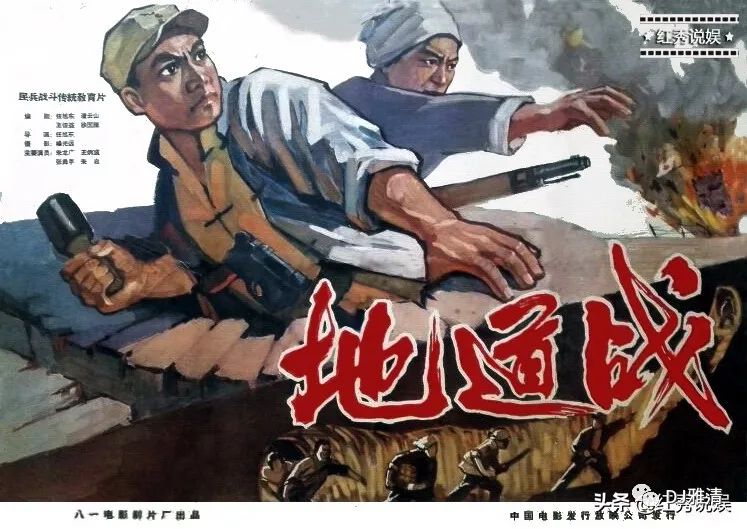
The film Tunnel Warfare Longguang Zhu Zhang Yongshou is alive, while Yamada and Commander Tang have passed away.

Original Hong Xiu Shuo Entertainment DJ Yaqing

In the 1960s, this excellent theme was selected by Bayi Factory, and it was decided to make a film "Tunnel Warfare". Later, Xudong Ren, Xu Guoteng, Wang Junyi and Pan Yunshan wrote the script and constantly polished it. In 1965, the film Tunnel Warfare was filmed and released on New Year’s Day in 1966. By the end of 2012, this film has set a record of billions of people watching it, and it can be said that it is one of the most familiar movies for Chinese people.

Fu Gengchen, who is in charge of the soundtrack in the film, has written songs for many outstanding works such as Sparkling Red Star, Advancing into the Central Plains and Sparkling Red Star. Fu Gengchen was only 29 years old when he wrote music for Tunnel Warfare.

Anyone who has seen the movie "Tunnel Warfare" should be deeply impressed by the theme song "Tunnel Warfare" and the episode "Chairman Mao’s Words". In fact, the author of the lyrics is Xudong Ren, the director of this film. Accompanied by "the sun shines everywhere, Chairman Mao’s thoughts shine golden", Gao Chuanbao read "On protracted war"; "Guerrilla warfare was launched in the Great Plains, and villages and households were connected into tunnels. The invaders dared to come and beat him to death." The enemy was defeated. The song in "Tunnel Warfare" was once described as follows: The enemy was frightened when he heard it; Hearing this, the people are full of blood and infinite strength in their hearts!

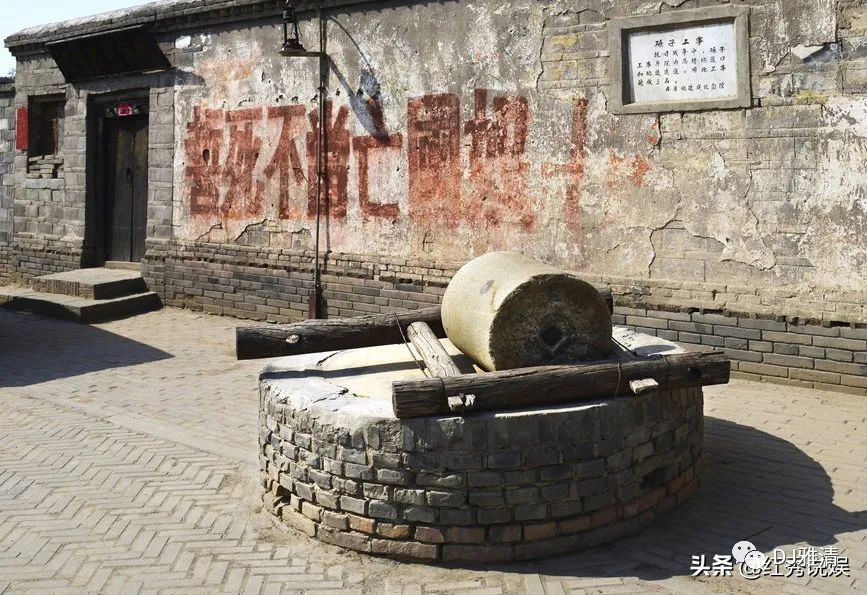
The prototype of "Gaojiazhuang" in the film is Gaoping Village, Zhengding County, Hebei Province, which is also called "Anti-Japanese Pioneer Village". But at that time, because of the flood, the local tunnel did not meet the shooting conditions. The film crew turned to Ran Zhuang, Lizhuang and Tangzhuang, which were nearby, for combined shooting, and tried to restore the scene at that time.

Ranzhuang Tunnel Warfare Site

The tunnels criss-crossing in the movie and the shadowy guerrillas must have left a deep impression on everyone. In fact, all the pictures in the tunnel in the film were set in Bayi Factory, but with excellent lens application, it looks like shooting in a real tunnel.

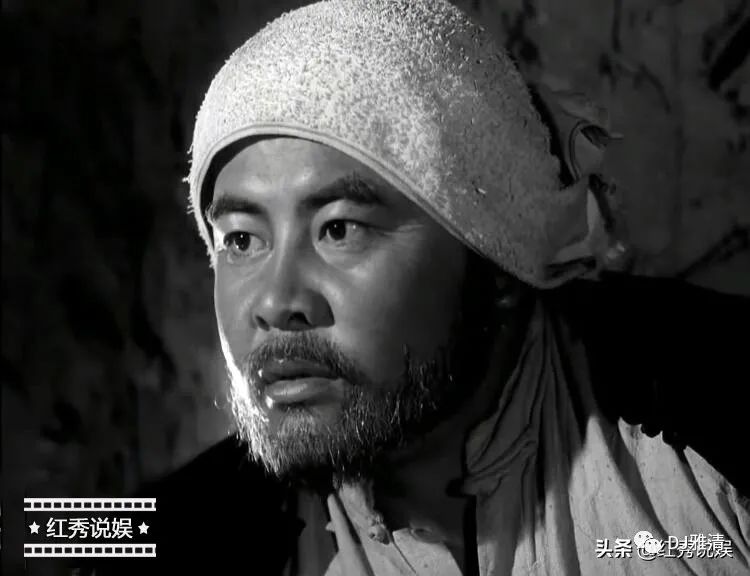
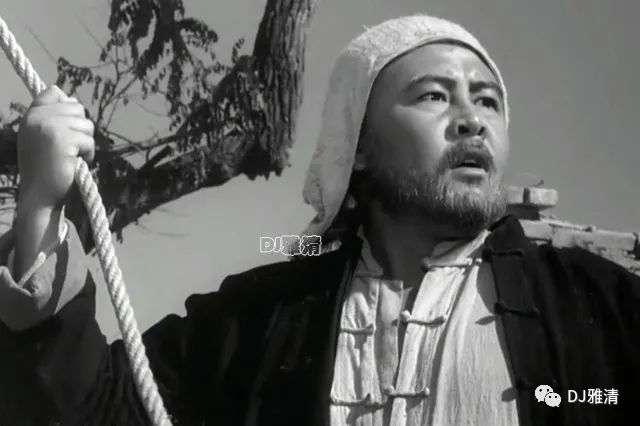
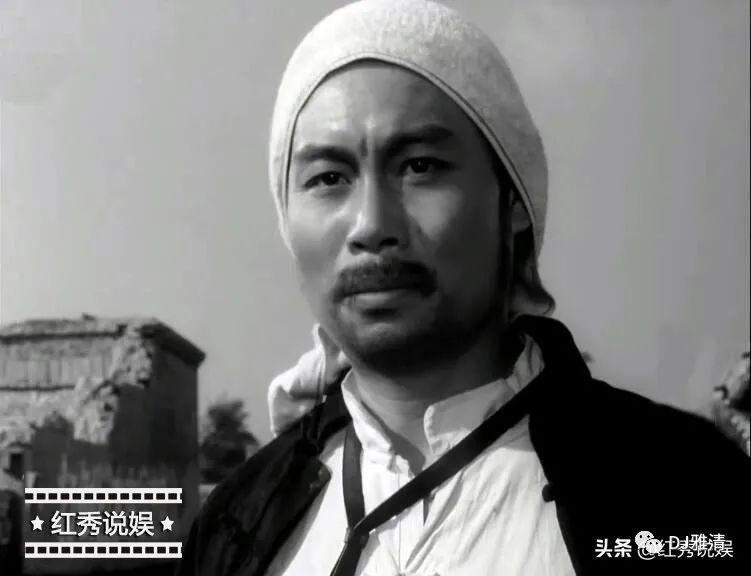
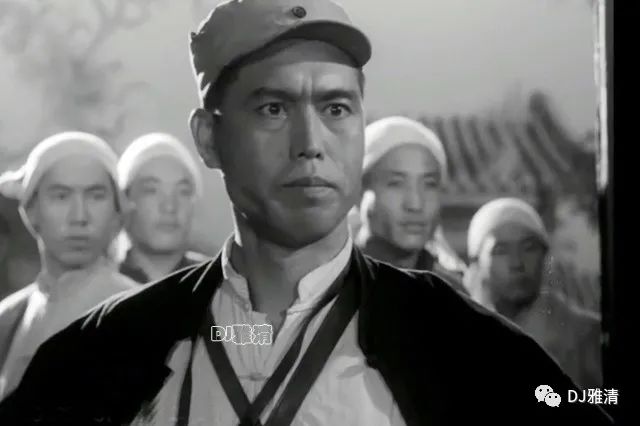
In the movie, the first appearance is Gao Laozhong, the party branch secretary played by Bingyu Wang. In order to cover the villagers’ evacuation and escape, he risked his life to sound the alarm, but unfortunately he was discovered by the Japanese army, and finally he sounded a Grenade and died with the enemy. When playing this role, Bingyu Wang was actually only in his twenties, but it was a big test to play a father and son with Longguang Zhu, who was similar in age, and to show a sense of vicissitudes of life.

Bingyu Wang, an actor from Beijing Film Factory, has played the roles of Uncle Man in Private Zhang Ga, Zhou Yunpeng in Journey to Wan Li and Liu Dabo in Hai Xia. Unfortunately, Bingyu Wang died in 1982 at the age of 47. It’s a pity that we didn’t see more of his works on the screen.

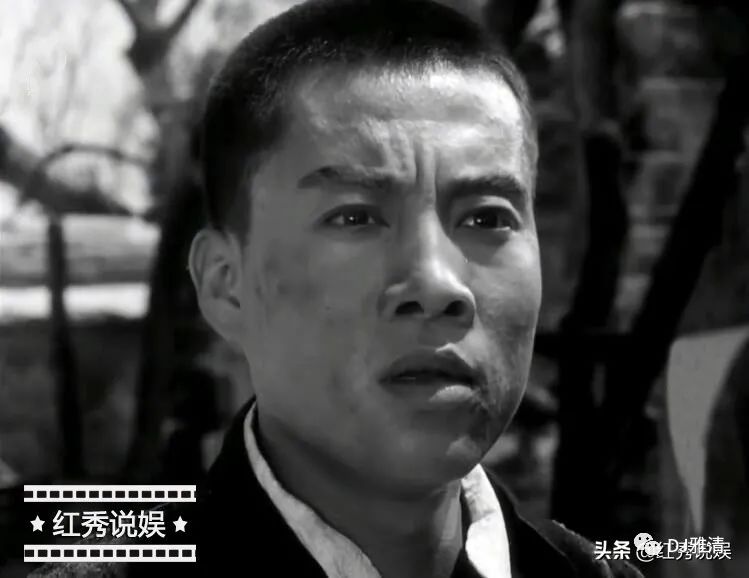
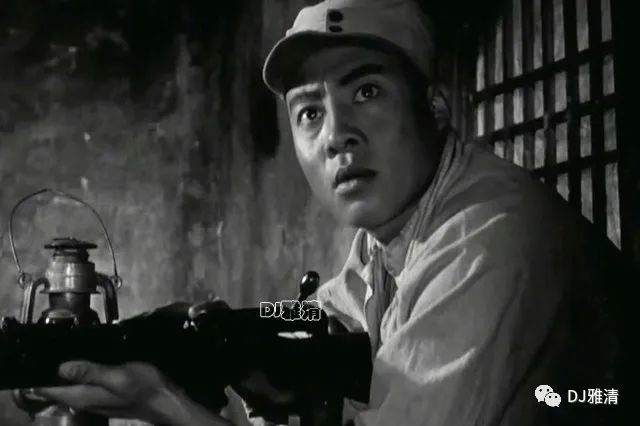
Gao Chuanbao, the son of Gao Laozhong and the captain of the militia, was played by actor Longguang Zhu. He also performed brilliantly in films such as "Jiao Yulu" and "Wooden House". Besides, he also played an amazing role, that is, the Tathagata Buddha in the 86th edition of The Journey to the West. Do you know? If it weren’t for the introduction of the audience, I wouldn’t have recognized him as Gao Chuanbao who was praised by director Xudong Ren as "handsome, mighty and good at acting". In September this year, it was Longguang Zhu’s 82nd birthday, and Hong Xiu wished him a long and healthy life, smiling often.

The prototype of Gao Laozhong and Gao Chuanbao was Liu Fool, the party branch secretary and militia captain of Gaoping Village at that time. Although his name didn’t sound severe, during the War of Resistance against Japanese Aggression period, he led a militia team of 70 or 80 people to repel thousands of Japanese attacks.

Zhao Ping, the district chief who formulated the "Sparrow" tactics, was originally played by Zhang Yongshou. He has played Shao Jianbo in Lin Hai Xue Yuan and Fang Yong in Surprise. As a famous actor and director of Bayi Film Studio, Zhang Yongshou has many works on the screen.

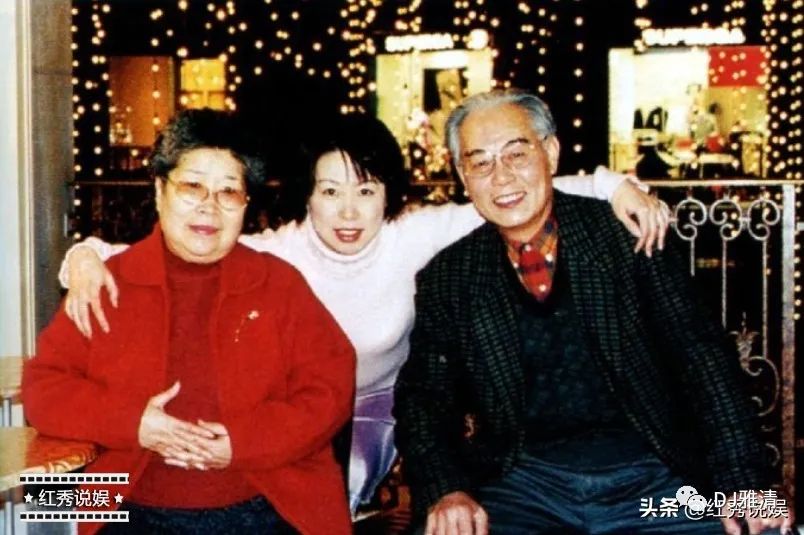
He is also regarded as Liu Xiaoqing and Tang Guoqiang’s Bole on the road of performing arts. At that time, when filming the movie "South China Sea Storm", he chose Tang Guoqiang; When filming the Great Wall of the South China Sea, he chose Liu Xiaoqing. Today, 87-year-old Zhang Yongshou and his wife Zhang Jiamao live in Beijing. Zhang Xihe, the eldest son, and Zhang Wang, the second son, are both film and television workers. Zhang Wang is a famous producer, who has produced films such as Sunny Days and The Great Wall. The youngest daughter, Zhang Man, is developing her career abroad.

Zhang Yongshou and Zhang Man.

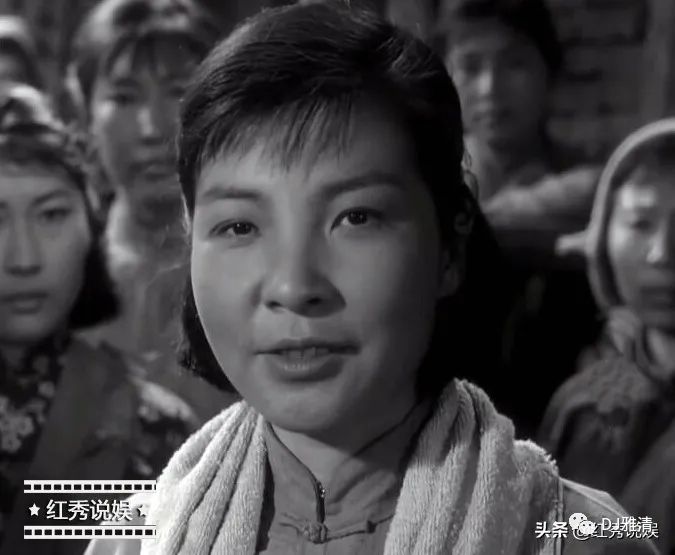
Xiujie Liu, who plays Lin Xia, director of the Women’s Rescue Association, has only appeared in a few films, but her simple and natural performance can touch many audiences, and her performance is both physical and mental. In the film, she said to Longguang Zhu, "Pass the treasure, be careful" is gentle; He was firm when he said, "We want to fight wolves, but we can’t let them bite us.". However, in the later stage of Xiujie Liu’s acting career, little information can be found, but the Lin Xia she created has been fixed in the hearts of the audience. On July 27th, 2020, Xiujie Liu died at the age of 87.

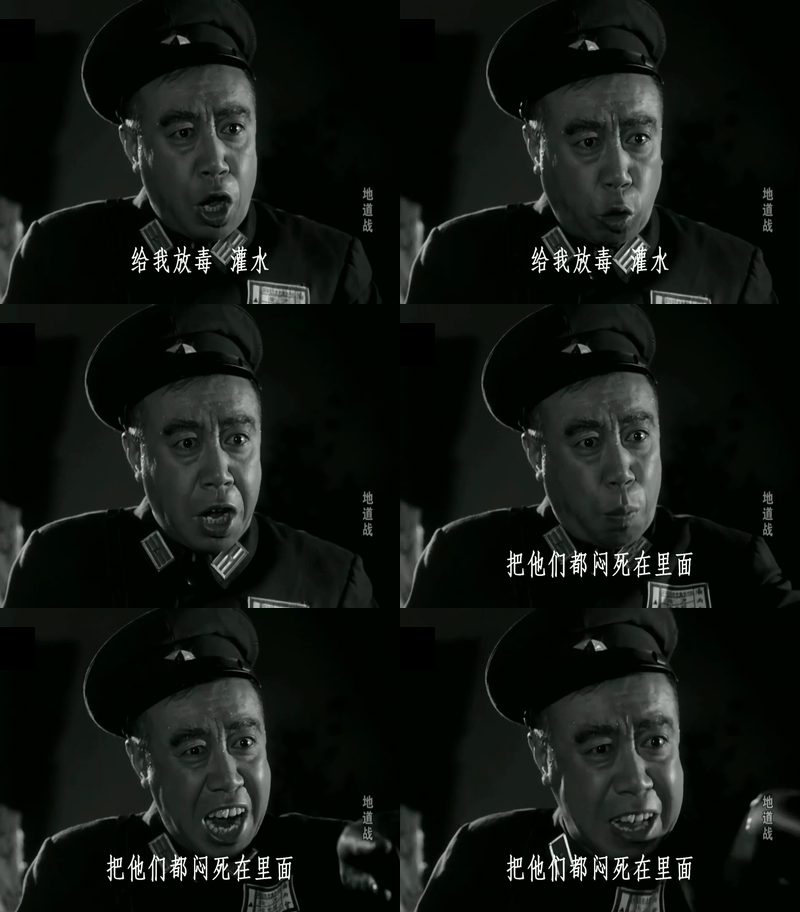
Wang Xiaozhong, an old actor with rich experience in villains on the screen, plays the Japanese army captain Yamada in Tunnel Warfare this time. When Wang Xiaozhong was young, he studied in the Telecommunications College of Fengtian Railway Institute set up by the Japanese, and many teachers in the school were retired soldiers. I think this is also the reason why he played a very thorough role in the image of Japanese soldiers. He has appeared in the image of Japanese many times on the screen, such as Nakamura, the special high-tech director in Never Gone Radio, and Tada, the intelligence consultant in Wildfire and Spring Breeze Fighting the Ancient City. But every role he plays is different, and in his opinion, even a supporting role needs careful consideration. On January 22nd, 2016, Wang Xiaozhong died in Guangzhou at the age of 88.

Tang Bing, commander of the Imperial Association Army, will be played by the famous actor Liu Jiang. Liu Jiang likes performing arts since he was a child, and he is particularly interested in movies and dramas. He has appeared in the movies "Sparkling Red Star" and "Breaking through the Wujiang River", and has also created many classic vivid images, leaving impressive lines, such as "I’m Hu Hansan back!" And "high, really high!" .

However, he was in poor health in his later years: in 1995, Liu Jiang was diagnosed with various cancers. However, he is optimistic and cheerful, but he has also appeared in several films, most of which are positive images. On May 1, 2020, Liu Jiang died in his sleep at the age of 95. This also means that the "five villains" on the screen: Ge Cunzhuang, Statement, Chen Qiang, Fang Hua and Liu Jiang have all passed away.

There are many excellent supporting actors in the film, such as Zhu Qi who plays Cui Lianchang, Han Dong who plays Dakang, and Hu Zihe who plays Niu Wa. Zhu Qi died in 2007; Han Guodong and Hu Ziru are both actors of the Cultural and Art Troupe of the Political Department of the Corps of Engineers, and Hu Ziru once served as the vice captain of the drama team.

Pay tribute to the previous artists for their dedication to China’s film industry. One of the classic lines, such as "quietly into the village, don’t shoot!" Do you remember? I wonder how much the audience still remembers the plot in Tunnel Warfare? Welcome everyone to interact with more netizens and fans through the message area. I’m Hong Xiu. Thank you again for your attention, praise and sharing.

This article is original by Hongxiu. Please don’t copy it without permission! Offenders will be prosecuted!

Original title: The movie "Tunnel Warfare" Longguang Zhu Zhang Yongshou is alive, "Yamada" and "Commander Tang" have passed away.

Read the original text