Ye Ping, witness our first military parade and the birth of the title "Chairman Mao"!

Author: Gao Bin, Front Line Magazine of Beijing Municipal Committee of the Communist Party of China.
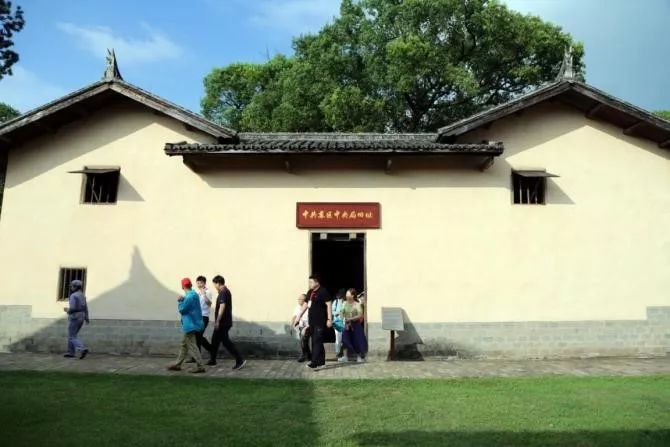
 

From November 7 to 20, 1931, the first national congress of the Soviet Union of Chinese workers, peasants and soldiers was held in Yeping Village, Ruijin. The congress announced the establishment of the provisional central government of chinese soviet republic. The picture shows the former site of the Central Bureau of the Central Soviet Area.


During the National Day holiday, the circle of friends was repeatedly screened by videos and photos of the National Day military parade in the 70th anniversary of the founding of New China.

The neat lineup, loud slogans, roaring locomotives and roaring planes of previous National Day military parades have made countless Chinese people proud and excited.

Before the founding of New China, there were several military parades in the history of our army, such as the "August 1st" military parade, the Xiyuan military parade and the Yan ‘an airport military parade. When and where was the earliest military parade? When did the title "Chairman Mao" begin?

In the former site group of Yeping Revolution in Ruijin, Jiangxi, the reporter found the answer.

Yeping Red Army Review Platform —— Witness the first military parade in the history of our army

Yeping Revolutionary Site Group is located in Yeping Village, Yeping Township, Ruijin City, Jiangxi Province. It is the birthplace of chinese soviet republic and one of the best-preserved revolutionary site groups in China. The Yeping Revolutionary Site Group has reserved a site-the Red Army Review Desk.
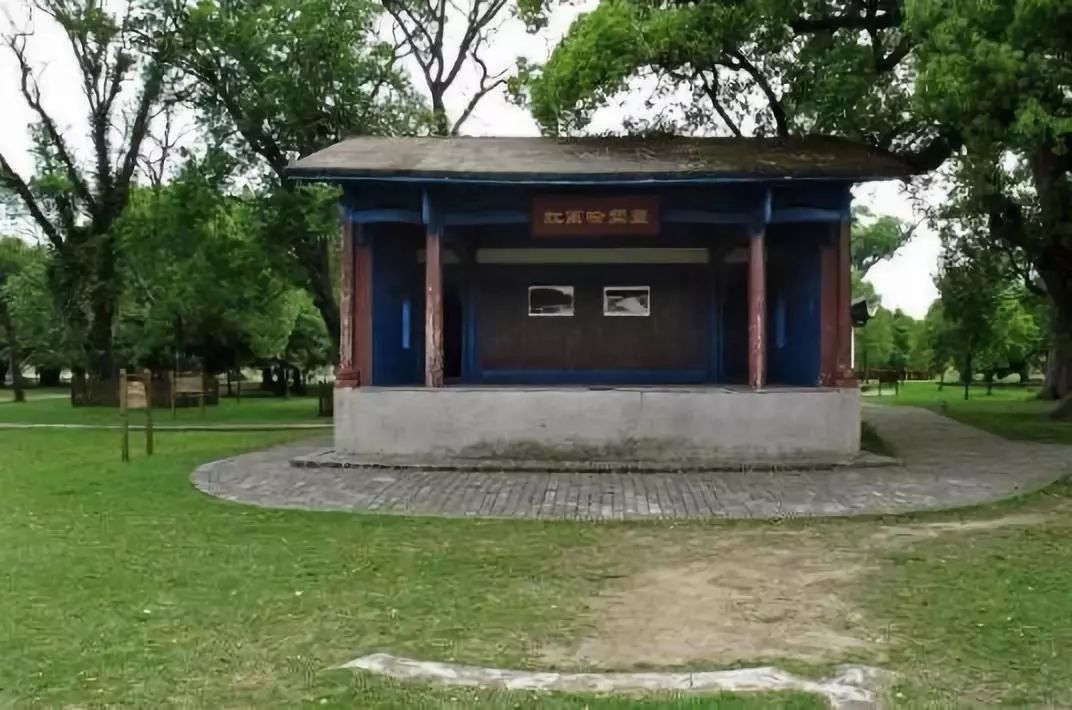
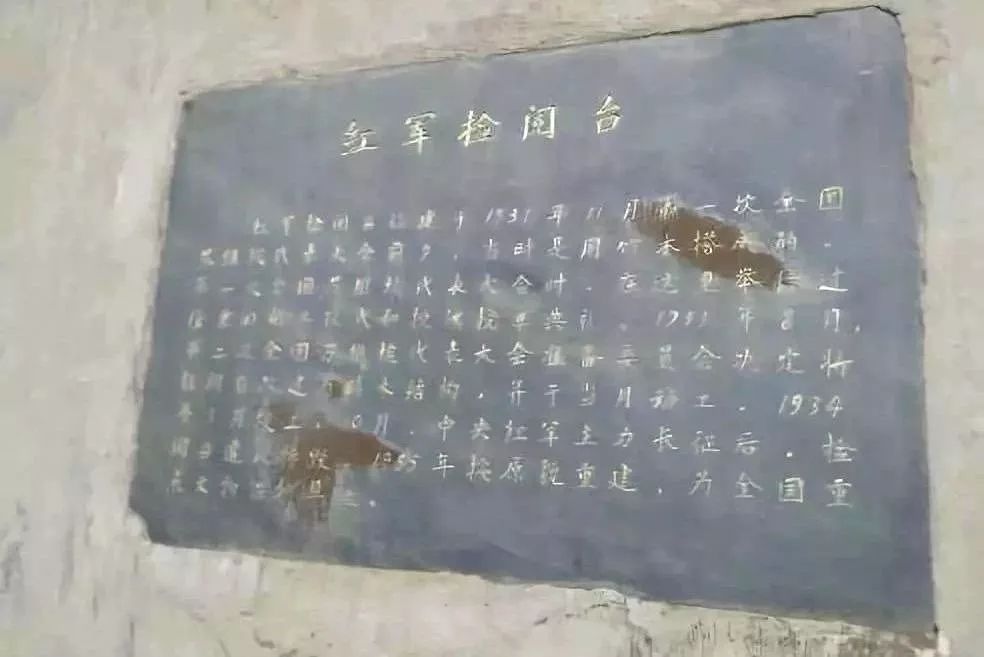
In preparation for the first National Congress of the Chinese Soviet Union to review the Red Army, the Red Army Review Platform was a simple and convenient platform made of bamboo and wood. 

In front of the reviewing stand is the spacious Yeping Red Army Square. The ground is covered with lawns, and a line of big characters is highlighted on the ground-along the blood of the Red Army. There is also a towering Red Army Martyrs Memorial Tower and a solemn Red Army Martyrs Memorial Pavilion next to the square.
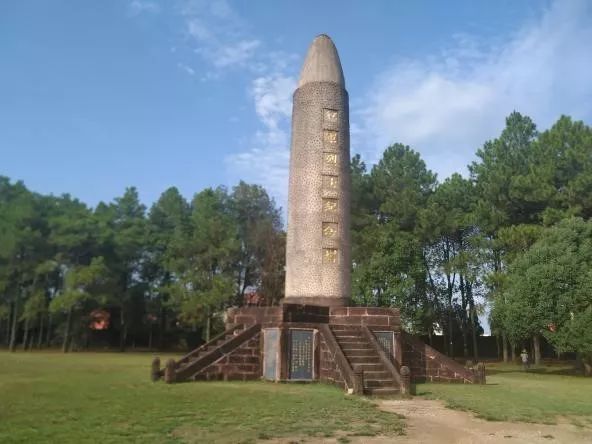
The 13-meter-high Red Army Martyrs Memorial Tower designed by Qian Zhuangfei has a pentagonal tower base and a shell-shaped tower body.


On November 7, 1931, it was the celebration day of the October Revolution in the Soviet Union. On this day, the first congress of workers, peasants and soldiers in chinese soviet republic was held at the Xie Ancestral Hall in Yeping Village, Ruijin, Soviet Union. A grand military parade was held before the opening of the conference, which was the first large-scale official military parade recorded in the history of our army.

In order to prepare for the parade, Ceng Shan, then chairman of Jiangxi Soviet, and Deng Xiaoping, then secretary of Ruijin County Party Committee, led Ruijin people to open a square that could accommodate more than 10,000 people in a forest in the northeast of Yeping Village, and built a Red Army reviewing platform with bamboo and stone. 

In the middle of the reviewing platform, there is a huge red cloth hanging across the reviewing platform of the Red Army of the First National Soviet Congress, with portraits of Marx and Lenin hanging behind it, and flags of the Chinese Red Army of Workers and Peasants on both sides. In order to prevent the invasion of enemy planes, this military parade was specially arranged at 7: 00 am on November 7.

The troops participating in the reading are mainly representatives of the Red Army’s various regiments and armies, the Red Army’s camp schools, and representatives of the security forces. More than 600 delegates, including the Red Army troops from various Soviet areas and the All-China Federation of Trade Unions located in the Kuomintang-ruled areas, attended the celebration together with the people from Soviet areas who came to watch the ceremony.

At 7 o’clock sharp, Mao Zedong, Zhu De, Xiang Ying, Ren Bishi, Wang Jiaxiang, Peng Dehuai, Chen Yi and Ceng Shan boarded the reviewing stand in turn, and the military parade officially began.

Mao Zedong, general political commissar of the Red Army, dressed in a Chinese tunic suit, presided over the military parade.

Teams of heroic Red Army soldiers, columns of Red Guards and Young Pioneers shouted "Long live the Red Army!" "Long live the Soviet Union!" "Long live the Communist Party of China (CPC)!" Slogan, neatly through the reviewing stand parallel attention.

Accompanied by Chief of Staff Ye Jianying, Zhu De, Executive Chairman of the General Assembly and Commander-in-Chief of the Red Army, rode to inspect the troops and personally led the troops under review to take the oath. The whole military parade lasted about an hour.
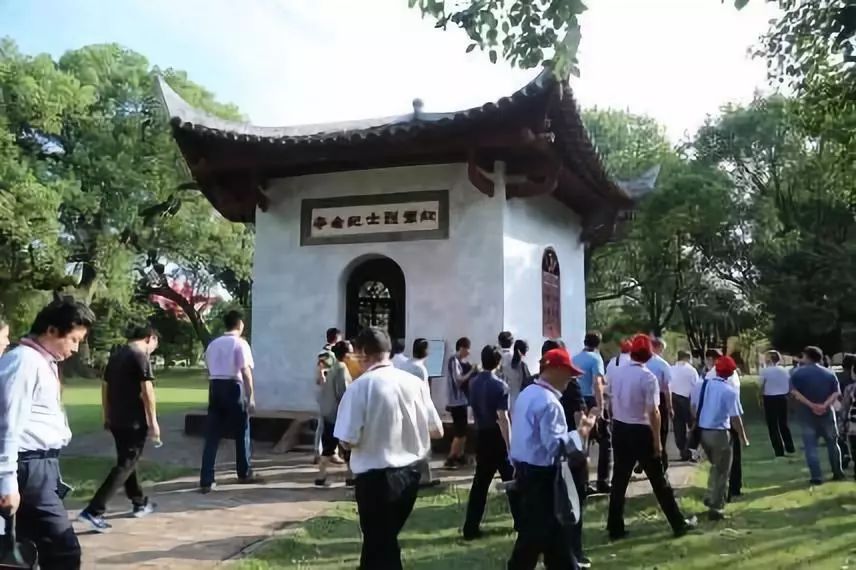
Memorial Pavilion of Red Army Martyrs in Yeping Revolutionary Site Group


Ran Ran, the Oriental Red Sun, rose, the military parade ended successfully, and people quickly evacuated according to the predetermined plan. At this time, several planes of the Kuomintang attacked, but no abnormalities were found. After dropping several bombs, they flew in the direction of Changting, Fujian, and bombed the fake venue where the Preparatory Committee for the Conference was arranged.
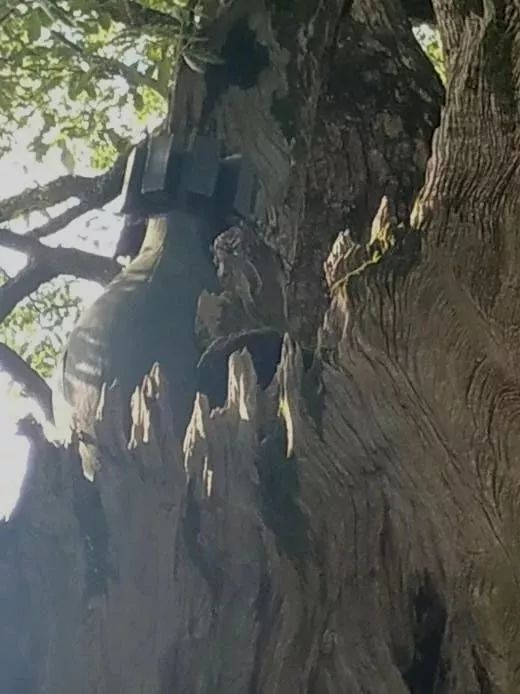
On an ancient tree next to Comrade Mao Zedong’s old residence in the former site of Yeping Revolution, there is still a bomb that the enemy dropped and failed to detonate embedded in the branch.


Mao Zedong said humorously at that time: "Chiang Kai-shek is really a friend, knowing that we set up the Soviet Union today, held a military parade, and sent a special plane to entertain us!"

Yeping Revolutionary Site Group —— Witness the birth of the title "Chairman Mao"

After the military parade, from November 7 to 20, 1931, the first national congress of the Chinese Soviet was held in Yeping, Ruijin. Attending the meeting were representatives from the Central Soviet Area, western Fujian, northeastern Jiangxi, Hunan and Jiangxi, Hunan, Hubei and Jiangxi, Qiongya and other Soviet areas, as well as representatives from the Red Army, the All-China Federation of Trade Unions and the All-China Seamen’s Trade Union, totaling 610 people. On behalf of the Soviet C.O., Mao Zedong made a Report on Political Issues to the General Assembly. The Congress adopted the Outline of the Constitution of chinese soviet republic, the Land Law of chinese soviet republic, the Labor Law of chinese soviet republic and chinese soviet republic’s Decision on Economic Policy. A Central Executive Committee composed of 63 members including Mao Zedong, Xiang Ying, Zhang Guotao, Zhou Enlai and Zhu De was elected.
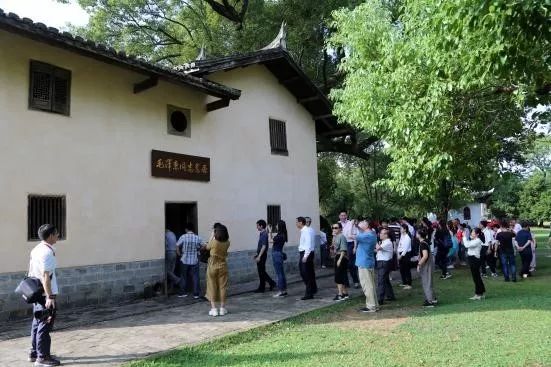
Former Residence of Comrade Mao Zedong in Yeping Revolutionary Site Group

After the conference, Ruijin was renamed as "Ruijing" and Ruijin County was designated as a county directly under the Soviet Provisional Central Government. Ruijin thus became the red capital of chinese soviet republic.

On November 27th, 1931, in the dense forest of Yeping Village, Mao Zedong presided over the first plenary meeting of the Central Executive Committee of chinese soviet republic. The meeting elected Mao Zedong as the chairman of the Central Executive Committee and the chairman of the Central People’s Committee according to the procedure stipulated in the Soviet Organic Law.
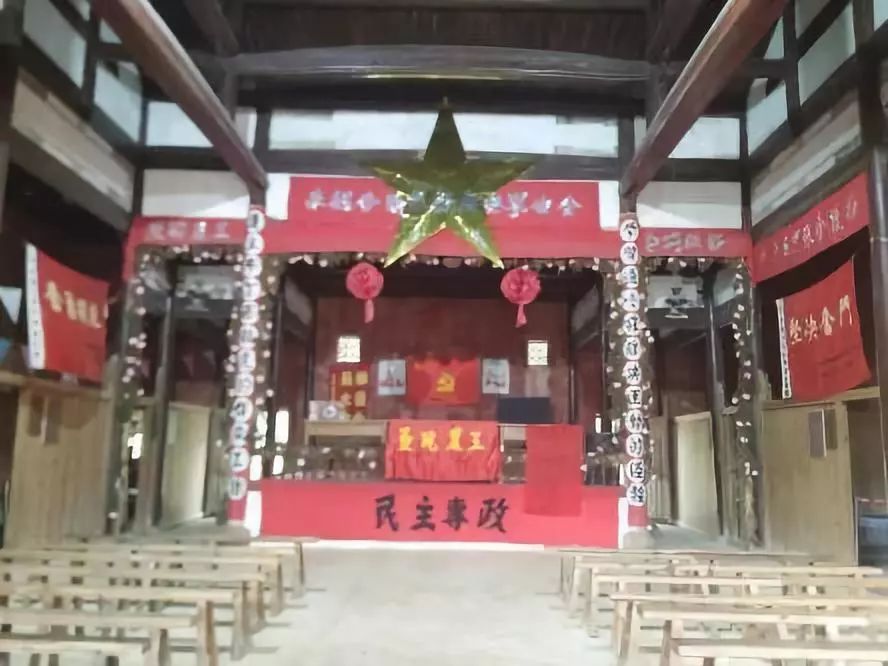
Chinese soviet republic temporary central government office former site


At that time, Ren Bishi, the host of the conference, stepped onto the rostrum and proposed on the spot: "Please ask Chairman Mao to speak!"

For a time, everyone didn’t react to who he called, and then everyone turned their attention to Mao Zedong. In the warm applause, everyone shouted "Chairman Mao!" The title of "Chairman Mao" is also called open.

The article was published on WeChat WeChat official account "Dongfanghong", please indicate the source.

The picture comes from "Grateful Endeavour, A New Chapter of the Cradle Spectrum of the Republic" —— All-media Jiangxi reporters of the National Party Journal Shen Jinxiang and Gao Bin.
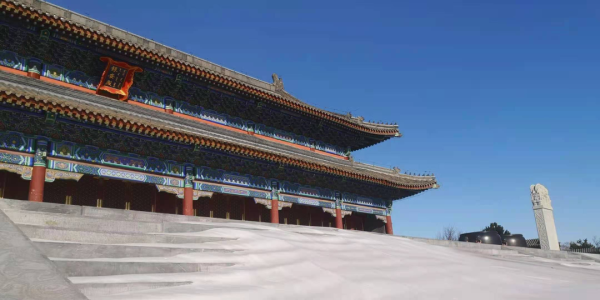
Winter has come to Tongliao to play with snow and have fun.

It’s winter again, and I’m still squatting at home doing nothing. It’s really a waste of this beautiful snowy season. Let the winter be full of flavor, let life say goodbye to boredom, then come out and have fun, which will surely make you change your mood and better enter the new year. Let’s walk into the winter in Tongliao today and see where it is more fun!

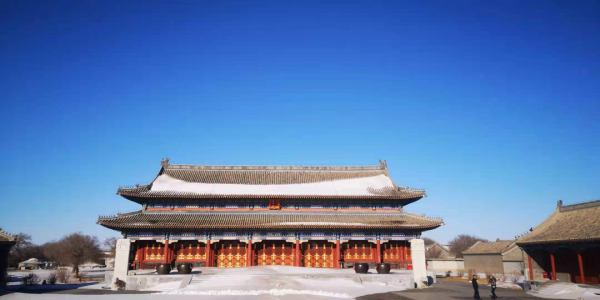
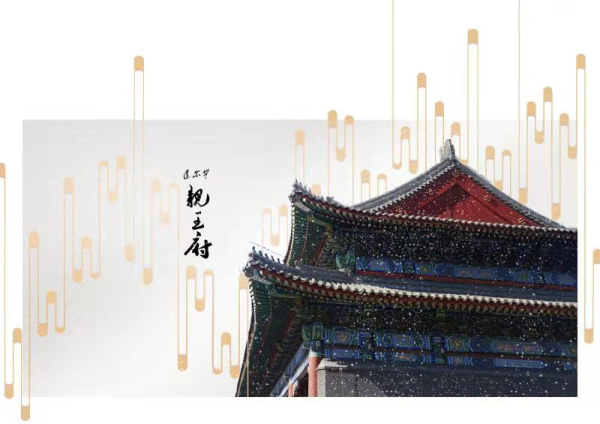
First, Xiao Zhuang’s former residence, Dalhan’s Prince’s Palace

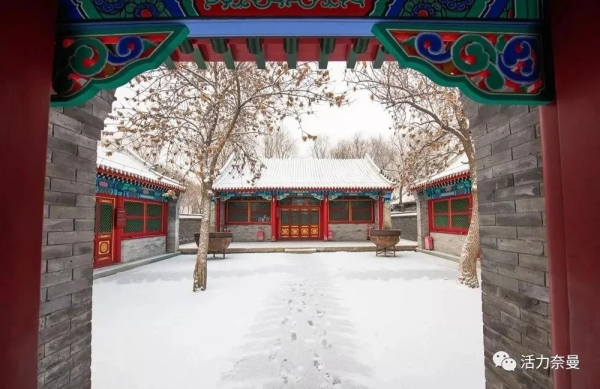
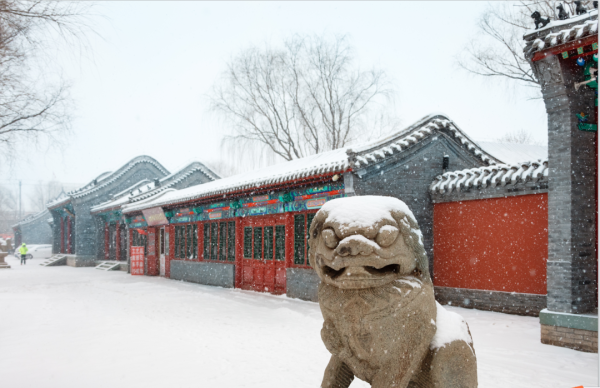
In winter, the most unforgettable thing is a snowy event. Snow, so that winter is no longer dead. Snow falls on the palace, wrapped in white, and all the temples seem to haunt a wonderful rhythm, emitting a graceful and elegant distance, like a fairyland on earth.

After the snow, the Yin ‘an Temple seems to have the bright color of life with bricks, tiles, columns and rafters.

The palace is wrapped in silver, as if the elves were flapping their wings, sprinkling a string of crystal ice and hanging it on the eaves, making the palace more dreamy.

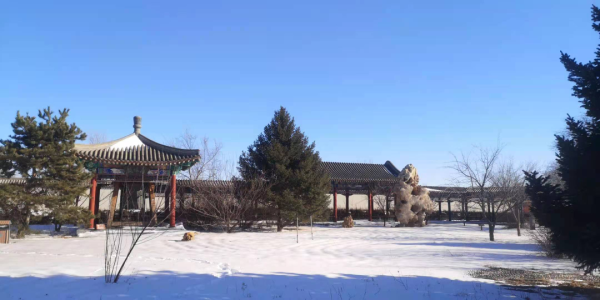
Second, Naiman Palace

Photography/Wang Zijiang

Naiman Palace was built in 1863 (the second year of Tongzhi in Qing Dynasty), with a history of more than 150 years. National key cultural relics protection units, national AAAA-level tourist attractions, patriotic education base in Inner Mongolia Autonomous Region, China overseas Chinese international cultural exchange base, and national third-class museum.

This palace was built by Dechuk Zab, the 11th prince of Genghis Khan’s 28th Sun Naiman Banner. He is the son-in-law of An Gongzhu, the fourth princess of Niukolu’s family, the Queen of Daoguang Emperor, and the highest status in Gulun. He served in Daoguang, Xianfeng and Tongzhi dynasties and was favored by many people.

Photography/Wang Zijiang

Naiman Palace is exquisitely laid out, magnificent and magnificent. It integrates the customs of Saibei, Tibetan Buddhism and Mongolian national architecture, and is a typical Qing Dynasty terrace-cloister architectural style.

Photography/Wang Zijiang

Naiman Wangfu Museum, which is based on the ancient building of Wangfu, covers a total area of 31,000 square meters, including 12 sets of courtyards, 211 houses, 15 theme pavilions and nearly 2,000 cultural relics.

III. Baogutu Desert

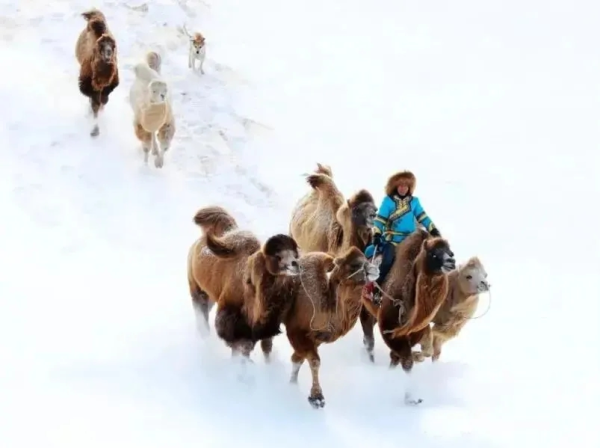
At the beginning, after the first heavy snow fell in winter, the vast desert was covered with snow, and a camel came slowly from a distance at a leisurely pace, like a boat cutting through the calm lake, and the whole desert was full of excitement … The encounter between snow and desert and the collision between ice and fire added a new color to the winter Baogutu desert, attracting many tourists and photographers!

Baogutu Desert Tourist Area is located in the core area of Baogutu Desert, which is the best choice for photographing the winter desert. There are beautiful scenery, accommodation and delicious food here. In order to meet the needs of tourists and photographers, the Baogutu Desert Tourist Area is normally opened in winter, providing you with the most thoughtful service with the most full enthusiasm!

At present, Baogutu Desert Photography Base has completed the creation of folk culture scenes, desert ice and snow scenes, camel racing scenes, natural scenery scenes, praying for the holy land and other scenes, making the cultural theme products of "Photography Nadam" mature day by day, giving full play to the comprehensive pulling role of tourism, cultivating new tourism formats, creating new values and creating new growth points.

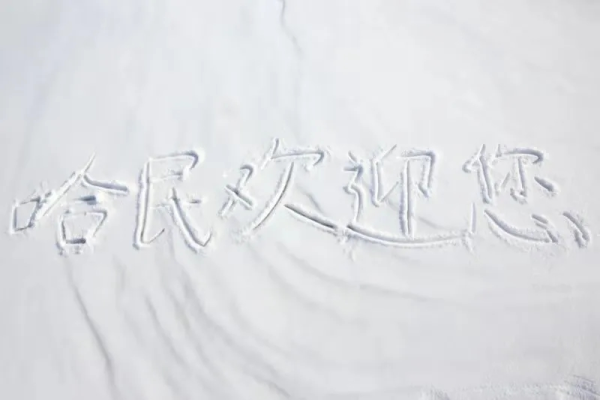
Fourth, Hamin Ruins Park

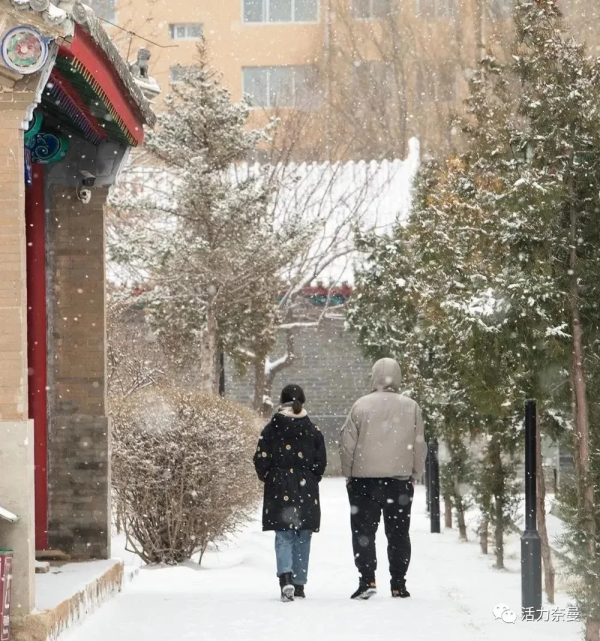
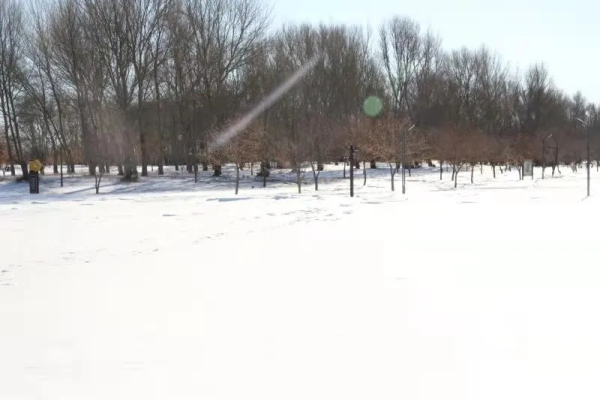
When winter comes, the snow is fluttering, and the Hamin Ruins Park is particularly enchanting under the decoration of snow. The Woods in the park are covered with a layer of crystal feathers, and the houses and the park trails are covered with white clothes, and the winter rhyme and snow scene are particularly beautiful.

Perhaps it is a distant visual illusion that adds a bit of mystery to the lonely and cold forest.

The museum as far as you can see also has its own white clothes. It records the life of the Hami people more than 5,000 years ago and is a beautiful Eden for the Hami people.

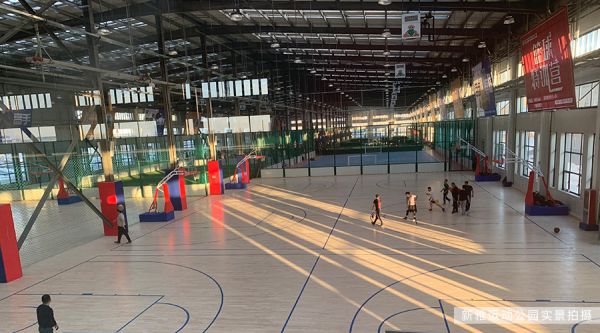
V. Xinya Sports Park

Xinya Sports Park Project is located in the south of the west section of Xinggong Street in Tongliao Economic and Technological Development Zone, south of Tongliao Jinma Boron Technology Co., Ltd. The project covers an area of 48,811.74 ㎡, including 27,000 ㎡ indoor venues in the sports park. At present, 25,000 ㎡ indoor venues have been completed and put into operation, and officially opened to the public on December 25, 2019.

Xinya Sports Park is positioned as a cultural and sports complex project, focusing on cultural and sports life and leisure, including urban functions such as cultural and sports life, leisure and entertainment, physical exercise, undertaking sports competitions, themed catering and cultural and sports training. It is the first cultural and sports complex project in Tongliao city that integrates sports, leisure and entertainment, catering, cultural and sports training and other functions. The main project consists of indoor gymnasium, indoor youth hall and outdoor field, and it is planned to be built in stages and put into operation in batches. By the end of 2019, indoor football, basketball, badminton, volleyball and other ball games and leisure sports such as trampoline, children’s naughty castle and rock climbing have been officially put into operation. In addition, indoor swimming gymnasium, table tennis hall, squash hall, rain shower and other related supporting facilities are under intense construction.

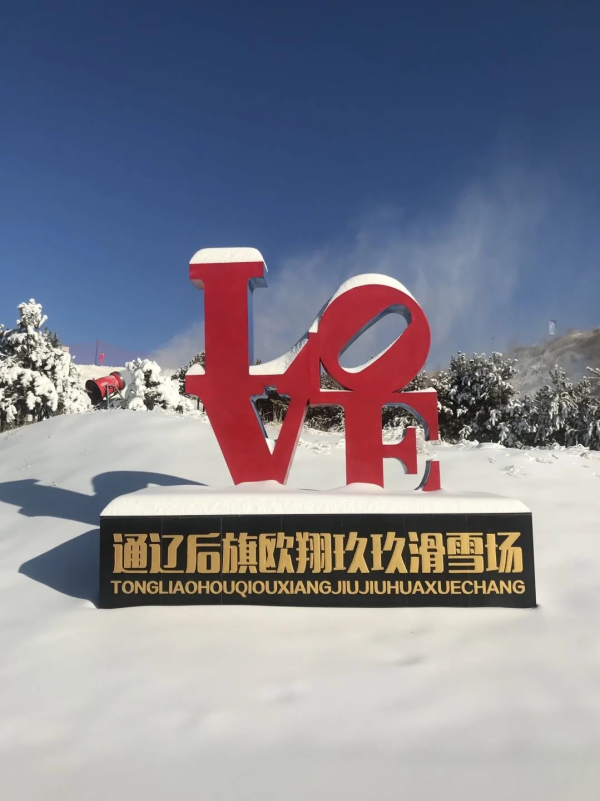
6. Ouxiang jiujiu Ski Resort

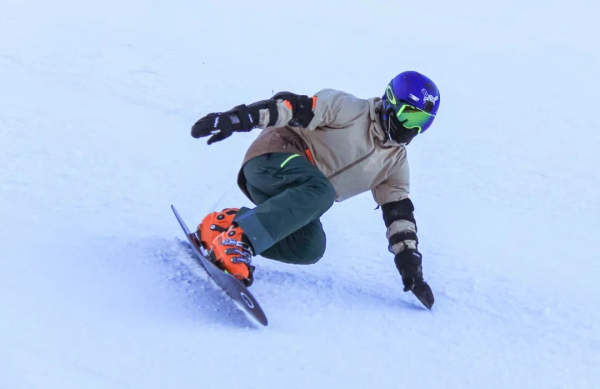
Ouxiang jiujiu Ski Resort is located in the east of 304 National Road, north of Ganqika Town, Kezuohou Banner, 8 kilometers away from Ganqika Town and 60 kilometers away from Tongliao City. Ouxiang jiujiu Ski Resort has enriched the contents of "Horqin 500km Landscape Avenue" to meet the needs of tourists for four seasons. The ski resort covers a total area of 200 mu, and can provide tourists with eco-tourism services such as skiing in winter, grass skiing in summer, leisure, vacation, catering and entertainment.

At present, a ski resort has been built, including reception hall, lounge, ski rental, cafe and restaurant. Set up a junior and middle-level ski trail, the intermediate ski trail is 50 meters wide and 260 meters long, and the primary ski trail is 50 meters wide and 150 meters long. Children’s snow amusement park covers an area of 30 mu, equipped with snow circle road, snowmobile, snow yo-yo and other amusement equipment. The skating rink covers an area of 80 mu and is equipped with single/double ice carts, skating, ice gyro and other amusement facilities.

Seven, Shiyuan Hot Springs

Shiyuan Hot Spring Resort Rehabilitation Center is located in the north of 303 National Road, 3 kilometers east of Molimiao, 28 kilometers from Tongkai Line. It is a comprehensive hot spring resort with the theme of hot spring recuperation and hot spring swimming, as well as nano-steaming, catering, accommodation, tourism reception and entertainment.

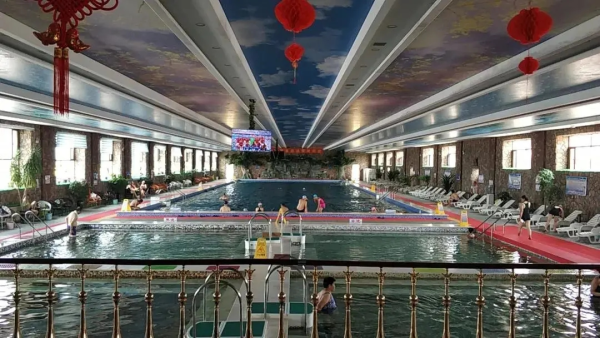
Shiyuan Hot Spring Resort and Rehabilitation Center is a comprehensive hot spring resort with the theme of hot spring recuperation and hot spring swimming, which integrates nano-steaming, catering, accommodation, tourism reception and entertainment. It grandly launches a romantic and warm luxury suite with independent soaking pool, medicinal bath, rose bath and milk bath. Muxiangju rural family-style suite, comfortable rest hall, multi-functional banquet hall for more than 400 people, complete audio equipment, super-large restaurant for more than 50 people, undertaking all kinds of banquet tables, pure green diet, spa treatment, elegant environment, fresh air and other experience ways to achieve the artistic conception of returning to nature, unique decoration style, all of which are carefully designed, luxurious but not vulgar, revealing in the classical, exquisite but not noble.

Eight, Zhanlu Hot Spring Resort City

Zhanlu Hot Spring Resort is located in Hexi Development Zone, Tongliao City, Inner Mongolia, on the south side of National Highway 303, 7 kilometers away from the urban area. Zhanlu Hot Spring Resort City is a large-scale tourist resort with hot springs as the main body, including tourism, leisure, vacation, conference, catering and accommodation. Formerly known as Zhanlu Water Park, underground hot springs were successfully exploited in early 2018.

Zhanlu Hot Spring Resort has a large wave-making pool, a children’s paddling area and a number of hot spring pools in the entertainment area. In addition, there are many entertainment facilities such as large slides, rafting, musical fountains, fish therapy and special soup baths. Many indoor and outdoor areas are available for tourists to play and watch. The indoor environment of the park is beautiful, and the green coverage rate reaches more than 50%, which simulates the biological and ecological environment of Hainan as a whole.

There are more than 40 holiday villas around the park, with different decoration styles, which are suitable for families, enterprises and teams to travel and stay. A variety of entertainment facilities in the villa can meet the needs of different tourists, including karaoke, barbecue, bonfire, chess and card entertainment and other facilities for tourists to use.

There is a restaurant in the park. All the ingredients in the restaurant come from farms and vegetable greenhouses in the park. Animals and plants are cultivated by organic planting and breeding methods. All kinds of ingredients are certified as green food. Among them, black pork, wild duck eggs, asparagus, okra and other ingredients are deeply loved by tourists.

From Humanism to Ecology

From indoor to outdoor

Winter ice and snow tourism projects in Tongliao

Does it make you feel excited?

If you are excited, act quickly

Go out of the house and have a good time

Believe this winter

Tongliao will never let you down ~

Damei Tongliao is waiting for you!